



According to the main alloy elements: aluminum-copper alloy aluminum coil, aluminum-manganese alloy aluminum coil, aluminum-silicon alloy aluminum coil, aluminum-magnesium alloy aluminum coil, aluminum-magnesium-silicon alloy aluminum coil, aluminum-zinc alloy aluminum coil.
By element: binary alloy aluminum coil, ternary alloy aluminum coil, quaternary alloy aluminum coil, multi-element alloy aluminum coil, etc.
According to whether the heat treatment can be enhanced, it is divided into: heat-treatable aluminum alloy coils and non-heat-treatable aluminum alloy coils.
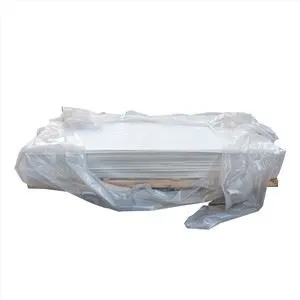
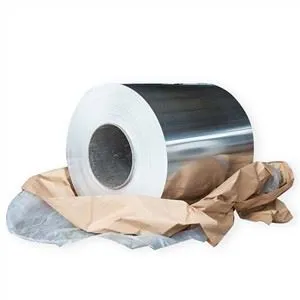
Regarding the anti-corrosion of thermal insulation aluminum coils: After purchasing thermal insulation aluminum coils, wrap the product with stretch film. If the product gets damp, it must be placed in a ventilated place to dry. Only by fundamentally cutting off the living environment of the mold can we do a good job in defending the thermal insulation aluminum coil.
Insulation aluminum coils are relatively corrosion-resistant, but if they are exposed to rain during transportation, it will cause uniform corrosion on the surface and affect the appearance during use. Therefore, moisture-proof and rain-proof measures must be taken during transportation of insulating aluminum coils, aluminum plates, aluminum strips, embossed aluminum plates, etc. Corrosive liquids must not be mixed with moisture, oil, chemical raw materials and other substances to avoid local corrosion or corrosion, which may cause the insulation aluminum coil or aluminum material to be scrapped.
Insulated aluminum coils can be stacked in layers, but avoid stacking them too high and should not exceed 3-4 layers;